




Vinland Saga
Oshimeter
Synopsis
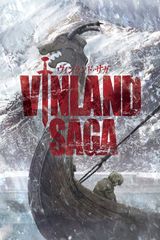
All young Thorfinn wants is to hear stories about Vinland, a legendary land across the ocean where it's always warm and nobody fights. His father Thors is a retired warrior trying to live peacefully, until his past catches up with him. A band of mercenaries led by a man named Askeladd comes calling, and what starts as a story about a boy and his dad turns into something much heavier by the end of the first few episodes. Without spoiling anything, Thorfinn's world gets ripped apart, and the path he ends up on is driven entirely by rage. This is a 24-episode TV series set in the Viking age, and it takes the historical setting seriously: the politics, the warfare, the brutality of 11th-century Northern Europe. Wit Studio animated this, and the action sequences have real weight to them. Swords feel heavy, fights feel desperate, and the quieter moments hit just as hard. But what really carries the show is watching Thorfinn change. The gap between who he is as a child and who he becomes is the emotional core of the whole thing. If you liked Berserk's dark tone and themes of revenge, or if Attack on Titan hooked you with its blend of action and tragedy, this sits right in that space. Fans of Kingdom's historical warfare will feel at home too. It's a seinen series that earns every bit of its drama without rushing anything.
Episode Guide
MANGA BRIDGE
This season covers Chapters 1-54 of the manga. Continue reading from Chapter 55.
Community Feed
Loading…

This anime changed my life. Just watch it, you won't regret it at all

я ненавижу это аниме
чтобы вы блять усрались с такими грустными сериями

The most moving piece of media I've ever watched.

Unbelievably impactful, the ending of this season especially will be resonating with me for the rest of my life.

where is your sword

Best character writing in anime.

Politics take center stage in this episode, setting Thorfinn's arc aside for the moment. Tension, treachery, and dubious loyalties all converge when King Sweyn meets the new version of Canute.
Thorfinn’s rage erupts in a duel against Askeladd, blades clashing with raw fury and cunning. The fight is more than steel — it’s vengeance versus manipulation, a boy’s trauma against a man’s strategy. Each strike carries the weight of Thorfinn’s grief, yet Askeladd’s sly composure exposes the futility of blind rage. The episode balances brutal combat with philosophical undertones, questioning whether revenge can ever heal scars or only deepen them. It leaves viewers torn between empathy and dread, haunted by its moral ambiguity.

The family connection revealed between Thorkell and Thorfinn reframes the whole season retroactively. Askeladd blinding Thorkell at the crucial moment to give the boy his win is as close to fatherly as he ever gets. Remarkable episode.
The confrontation with King Sweyn in a darkened hall is tense and layered. Askeladd navigating impossible politics while Canute learns to stand beside rather than behind him. The game is entering its final moves.
Leif finding Thorfinn after all this time should feel like relief and it mostly feels like grief. Bjorn's farewell to Askeladd before their final fight is quietly one of the most moving scenes of the season. A true friend's exit.
Askeladd throwing away his sword and still winning tells you everything. His speech to Thorfinn about having learned nothing is brutal and completely true. A decade of revenge built on nothing. The boy is finally forced to hear it.
The Imperial Council scene is the season's best political episode. Sweyn announcing Wales destroys Askeladd's entire plan in one sentence. Leif visiting Thorfinn in jail and speaking of Vinland in the middle of all this chaos is quietly beautiful.
One of the great season finales in anime. Askeladd's final act is monstrous and self-sacrificing at once. Thorfinn arriving too late and losing everything he'd built his life around in a single moment. The knife reflecting the journey. Extraordinary.
Canute's quiet transformation while lying in the snow is the season's most important character moment. The priest's words about love landing differently than expected. A boy deciding to be a king is more powerful than any battle.
Askeladd's backstory arriving at the moment of mutiny reframes everything about him. His hatred of the Danes running beneath all those years of serving them is extraordinary dramatic irony. Thorfinn riding back to protect his enemy is perfectly wrong.
Askeladd being pushed toward mutiny by his own men while Thorkell closes in is maximum pressure from every direction. Deserters running to Thorkell and dying for it is darkly perfect. The bridge cutting is desperate genius.
Ragnar's death ordered coldly and executed without fanfare is Askeladd at his most calculating. His bet that losing Ragnar will force Canute to grow is not without logic and not without cruelty. A turning point.
The village pillaged in winter for survival and then silenced entirely. The only survivor left by accident rather than mercy. The show refuses to soften what these men do to stay alive. One quiet survivor carries everything.
From the Same Universe
Fans Also Watch
Vinland Saga
 10
10More DetailsRadar5
Choose what you want to review:
a single episode or the full anime.


