






Tamayura: More Aggressive
Oshimeter
Synopsis
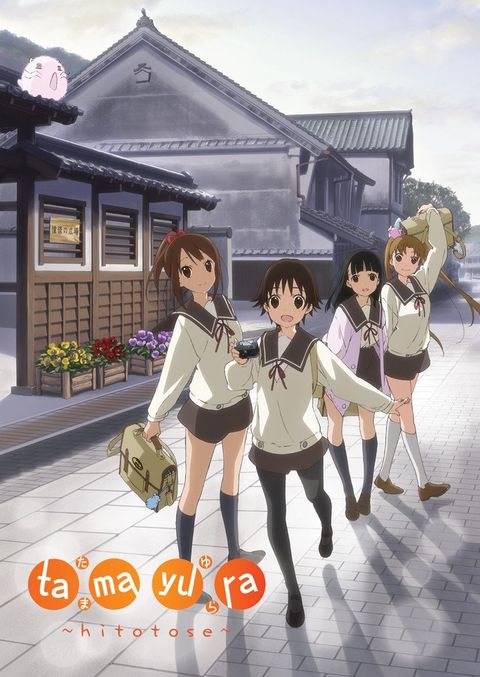
The second season of Tamayura: Hitotose. It's the beginning of a new school year for Fuu and friends. With a new year comes new challenges as Fuu tries to open a photography club at her school.
Episode Guide
Characters
Fuu Sawatari
Clumsy, cheerful photography enthusiast Fuu Sawatari, nicknamed Potte, copes with her father's death through her art.
Taketatsu Ayana
Maon Sakurada
Maon, a whistling island innkeeper's daughter, pursues her dreams with friends' support, defying family expectations.
Gibu Yuuko
Kaoru Hanawa
Kaoru, Fu's supportive best friend, helps her overcome shyness and understands her eccentricities.
Asumi Kana
Kanae Mitani
Kanae Mitani, a thoughtful photography student, often overthinks, hindering her actions.
Kayano Ai
Norie Okazaki
Energetic girl; uniquely understands and interprets Maon's whistled communications.
Iguchi Yuka
Community Feed
Loading…

En este episodio la última pieza la pone la madre de Fu, y eso completa la imagen de quién era él. Además cambia el ritmo: en vez de tomar fotos, Fu se ve obligada a absorber lo que la rodea, ligado a esa idea de que nada dura, todo cambia y la gente va y viene. Por eso es un episodio de despedida: recuerda todo lo vivido, se despide de Kanae y sigue adelante. Buen cierre, sin dejar nada colgando.
Este episodio es la culminación de todo lo anterior: las fotos, las relaciones y esos deseos internos por fin encuentran algo de conclusión. Lo mejor es el cierre de la relación entre Fū y Kanae, que retoma lo que ella sentía y le da salida a su tema con el Club de Fotografía y su eventual partida. La Exhibición "We" es un éxito gracias al esfuerzo de todos. Un clímax feliz pero agridulce, con esa nostalgia por el tiempo que pasa. Será que el último cierra con la graduación.
En este episodio se toca temas como lo fugaz del tiempo, la felicidad y ese deseo de tener un propósito y una meta por la cual seguir, porque uno se siente vacío sin algo de realización interna. Es muy identificable. Una de las mayores del elenco carga con esa melancolía de ver cuánto tiempo pasa y con la graduación asomándose, como si todo se te escapara de las manos por más que quieras sostenerlo, que así es la vida. Nos dan una nueva perspectiva de ese personaje, y el episodio cierra enfrentando esa incertidumbre con valor y fe. Norie tan entusiasta como siempre, y su comedia sale sin esfuerzo. Un episodio cálido que abre el corazón del personaje. Será que ese miedo a la graduación se vuelve el eje de lo que viene.
En este episodio aparece un personaje nuevo, medio intimidante y muy directo, que por primera vez no solo elogia sino que cuestiona la manera de fotografiar del papá y de Fū, y ese contraste le da contexto a por qué él vivía bajo sus propias reglas, distinto a su viejo amigo. Me dio pena Fū, pero qué bueno que tiene a sus amigas ahí, y las palabras de Shihomi les cayeron bien. Me alegra que escuche historias del padre por medio de un amigo de secundaria. La profundidad de siempre. Será que ese cuestionamiento le cambia algo la mirada a Fū.
Este episodio profundiza bastante en la relación entre Fū y Chihiro y da más contexto de su pasado. A diferencia del clímax del episodio pasado, donde el grupo veía el evento principal, aquí el momento fuerte es entre Fū y Chihiro mirando los fuegos artificiales, algo que pega mucho más si ves el episodio completo. Norie sigue tan enérgica como siempre, y ver a las dos planeando lo de los fuegos se sintió nostálgico, una escena que calienta el pecho. El ritmo está bien, aunque se me pasó más rápido que el anterior, no como algo malo, solo lo noté. La música de fondo le queda perfecta a las escenas y las tomas están increíbles. Será que este ya deja todo listo para el final, que se siente cerca.
Este sigue el ambiente del anterior y se siente fresco por estar ambientado en un lugar nuevo, fuera del pueblo natal de Fū. La aparición de Tomo le mete mucha vida al episodio: tiene una personalidad más explosiva y aventada que las demás, y contrasta bien con lo excéntrico del resto del elenco. Salen personajes nuevos y una locación nueva, y ver a las chicas explorar juntas se disfruta. Fū se pone emotiva y le entran unos flashbacks en una escena bastante cálida y bonita. Y sigue ese sello melancólico del show, esa nostalgia que te da conforme pasa el tiempo y recuerdas cosas de la infancia; aunque va dirigido a adolescentes, de adulto pega distinto, con ese sabor agridulce en los temas que toca. Será que Tomo se queda un rato en el grupo.
Salir del ambiente escolar hacía falta, y aquí lo cumplen con todo: el episodio funciona como un tour por la ciudad de Onomichi, lo que le da un aire nuevo al escenario que me gusta bastante. Es otra pieza más para que Fū conozca a su padre, pero lo especial es que ahora viene de uno de sus colegas de la agencia de viajes donde trabajaba, junto a unos amigos a los que consulta sobre su negocio. Cada episodio va armando de a poco quién era el papá, y eso ya lo tengo claro a estas alturas, pero lo que hace distinto a este es justo salir del entorno de siempre y recorrer lugares nuevos, algo que me atrae por pura vibra. Fū crea recuerdos a la vez que descubre cosas. Será que en los siguientes siguen viajando fuera del pueblo.
Este episodio va más relajado que los anteriores, lo cual tiene su gracia porque toda la franquicia ya es tranquila de por sí. No pasa gran cosa, es más del arco típico de actividad de club, pero el detalle es que se centra en Kanae en vez de en el camino de Fū. Aquí profundizan en cómo Kanae llega a la fotografía: a diferencia de Fū, que la usa como forma de sobrellevar la pérdida, ella no tenía ese interés interno hasta que con el tiempo le agarra cariño y decide dedicarse, con la realización algo dolorosa de que aún le falta mucho camino. Está bueno ver a Fū y Mitani sincronizadas, y el pensamiento de Norie y Kou da risa; me maté de risa cuando se imaginan el carro de Sayomi con alas de avión. Me gustan las fotos que toman. Será que a Kanae le empieza a ir mejor conforme se le mete el arte de verdad.
Este episodio avanza en el personaje de Fū y en ir descubriendo el legado que le dejó su padre. Su amor por la fotografía resulta ser justo eso, algo que él le heredó, y el show maneja bien cómo cada quien carga con la pérdida a su manera. Está bueno ver a Mitani y a Fū trabajando juntas, sobre todo en el baile, y la energía de Norie siempre refresca. El ritmo acompaña las emociones, con esa vibra melancólica y agridulce que se mantiene pese al tono cómodo. Al final todo se siente más profundo de lo que parece. Será que el legado del padre se sigue revelando por partes en lo que viene.
Ver a Fū nerviosa y tartamudeando fue de lo más divertido, pero también tierno. Su amiga la apoyó un montón, y hasta los profesores le echaron una mano; una escena que te deja el pecho calientito. Me alegró que al final juntara el valor para hablar con ella. El episodio retoma justo lo que venía del anterior y le da un cierre como debe ser. No suelo ser de slice of life, pero este show tiene una vibra tan cómoda que se siente especial, algo que no me pasa seguido con el género. Y se nota el avance en Fū: poco a poco va saliendo de su caparazón. Da curiosidad ver hacia dónde termina yendo todo
Este me gustó más que el primero. Fū por fin abre su propio Club de Fotografía, y esa decisión sola ya mete algo de conflicto y le da a la historia por dónde avanzar. Verlos recordar viejas anécdotas fue divertido, un episodio ligero y con humor: me sacó risa cuando Norie sale girando de fondo justo capturada en una foto, y el detalle de cuando abren la puerta al club de teatro. Me gusta que Fū tenga a sus amigas apoyándola de verdad, y la historia del padre sigue siendo el ancla emocional que le da peso a todo.
Un arranque más emotivo de lo que esperaba para abrir la segunda temporada. Desde el principio se siente la energía de los chicos, pero el episodio no va tanto por ahí: se apoya bastante en la nostalgia y en remover cosas de la primera parte. Me gustó que a Fū le reaparezca una amiga que la conoce de verdad, de esas que te leen sin que tengas que explicar nada. Lo que sí me dejó dándole vueltas fue la chica del cartel: tiene un aire raro, medio inquietante, y aunque no encaja del todo con el tono tranquilo, le mete un punto de misterio que no venía venir. Por lo demás sigue siendo ese slice of life pausado y acogedor, con la atmósfera de siempre que te hace sentir parte del pueblo. Se nota el salto de tiempo desde la S1, pero retoma justo donde lo dejó, con ese regusto agridulce que te deja algo melancólico. Si buscas algo cómodo y sin pretensiones, entra muy bien

The previous episode was the climax culmination, while this episode is the conclusion of it. A lot of previous episodes were pretty much centered around Fuu relating to the people who knew her father, and slowly learning more about the fragments of his past and getting to know him better, but in this case, she gets it from her own mother which I think is the last puzzle that fully shows her dad as a whole in my opinion. Another thing that makes this special is that it's a change of pace to what she usually does which was taking pictures, so she's kind of forced to fully absorb the things and experiences around her without something external, which correlates to her inner feeling of realizing that things don't last forever, everything changes, and people come and go. Which is why this is ultimately a departure episode as Fuu reminisce all the memories she has made over the past season and finally tries to say her goodbyes to Kanae and move forward with her life. Overall, a very good sendoff episode without leaving anything hanging and nicely give a good conclusion to things.
As I'm coming to a close to this season, I am somewhat saddened that it's ending soon despite the show being something that I'm not really into. That said, the entire episode is great in a sense that it's pretty much a culmination of everything that came before it, both the pictures they've taken, the relationships they've developed, and the longing feelings that they've had inside for some time trying to find some sort of conclusion or satisfaction. I think the best part in my opinion, is the focal point of Fuu and Kanae's relationship coming to a conclusion in this episode as it pretty picked up how Kanae felt in the previous episode, and gave a needed satisfying conclusion to her internal issues regarding the Photography Club and her eventual departure away from it. Overall, a happy climax yet still leaves a bittersweet feeling of nostalgia as the show's themes pretty much tackles this longing feeling of the past and the melancholic feeling of the passage of time, and the memories we made, which is why the pictures are important because they completely represent them. Overall, a good episode.
I love this episode just by the fact that it tackles topics such as the fleeting feeling of time, and happiness, along with the longing desire of one's life purpose and a goal to strive for, as one would feel empty without having some sort of internal self-actualization. It's very relatable in a sense and I like that one of the older cast member has that feeling of melancholy with how much time is passing around her, and the looming dreadful feeling of graduation approaching. It's like things are slipping away from your grasp no matter how much you try to hold things together, but that is such the nature of life, and I really enjoyed that this episode tackled something that's existential at its core. What makes this episode great though is that it concludes with tackling the uncertainty of existential dread with courage, faith, and bravery which has always been the main thing to have when facing the unknown aspect of life. Very much recommend this episode to anyone who likes comfy Slice of Life anime.
I know that it's late, but I kind of see what the formula is for the show and it's storytelling regarding the background behind Fuu's father and the philosophy behind his love of photography. It's not always the center focus for every episode, but you can see how that her father gets talked in a third person type of perspective, usually by people who know him, and Fuu interacts with them to learn more about her father and maybe either discover a new angle behind his philosophy, or validates his philosophy to where Fuu follows his footsteps. I am rambling about it, but I don't see it as a bad thing at all, and it works well with the story they're trying to tell. It's just funny to me that I discovered it late, but in regards to the episode, there's not much that I can really say besides that it adds more depth and history to Fuu's father. Though what makes this episode intriguing is that the newly introduced character gives pushback to Fuu's and her father's type of photography as in most episodes, the majority of her interactions has been mostly praises in regarding to her work. That said, the pushback adds context to why Fuu's dad lived by his own terms and kept taking pictures in comparison to his old friend. All I can say is that my general thoughts from before regarding this show can be applied to this episode as well.
Not much to say but this felt more of like an extension to the previous episode in terms of overarching story. Though I would say that it digs through Fuu and Chihiro's relationship a lot deeper and gives more context behind their history. In kind of contrasts to the climax of the previous episode where it was the group watching the main event, while in this one, the climax is pretty much between Fuu and Chihiro looking at the fireworks which has a lot more context if you watch the whole episode. Pacing is nice but like the episode felt like it went by fast compared to the previous one, but I don't see that as a bad thing at all as it's just something that I've noticed. Overall, very nice episode that continued from where it left off and is pretty much setting the finale since the season is coming to a close soon.
What can I really say to this episode beside the fact that it keeps getting better as the season goes by. Similar to the previous episode, this one feels new just by the fact that it's set on a newer location, which is outside of Fuu's hometown. The addition of Tomo makes the entire episode much more lively in my opinion as I really like her more bombastic and aggressive personality compared to the others, and it contrasts well with some of the other eccentric personalities within the cast. One thing that I really keep on harping when it comes to this show, is that it's very much full on melancholic in a way that it gives you this longing nostalgic feeling that you sometimes get as time flies by, and you reminisce your old childhood and fun memories from before. I know that the show is targeted for teens but as an adult, it really gives a different bittersweet perspective with the themes that the show tackles. Still would recommend this a watch especially if you can relate how I've been feeling about this show.
Probably my favorite episode so far in this season. Having a break outside of the highschool setting was needed, and this episode really delivered with the whole thing being a tour guide for the city of Onomichi which gives off a new vibe to the setting which I really like, and I have a knack for when it comes to traveling around and seeing local spots. The whole episode is also another unraveling for Fuu to find out more about her father, but what makes it special is that it comes from one of his colleagues in his travel agency job, along with some friends to where he consulted them on their business. Each episode is a gradual understanding of Fuu's dad and I've come to understand that as I keep watching, but what makes this episode special really boils down to getting away from the normal setting and going to new places which is something that I personally am into because of the vibes. Big recommendation from me.
So far, this episode is pretty much laid back in comparison to the previous episodes, which is funny since the entire franchise is very much laid back by nature. Not much has happened as the episode is usually the standard club activity sort of arc, but one thing that I realize is that this is more of a Kanae-centric episode in comparison to the previous ones where it was more about Fuu's journey as a character, as the episode gives a deeper dive and history to Kanae's inclination to photography in general. Unlike Fuu's genuine interest with photography along with using it as a coping mechanism for loss, Kanae didn't have this internal desire for photography until she eventually came to love it and decided to dedicate herself in the field, and it comes with the painful realization that she has a long way to go that came along with the genuine love for the art. I still recommend watching the entire season especially for slice of life fans.
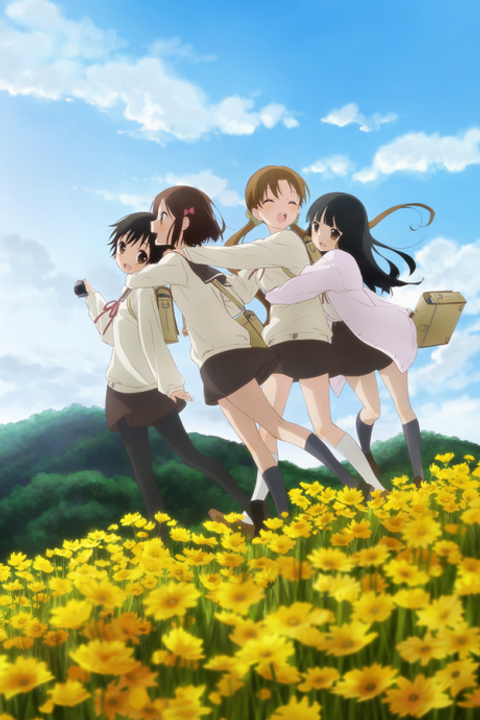




Tamayura: More Aggressive
 10
10More DetailsRadar5
Choose what you want to review:
a single episode or the full anime.


