






That Time I Got Reincarnated as a Slime Season 3
Oshimeter
Synopsis
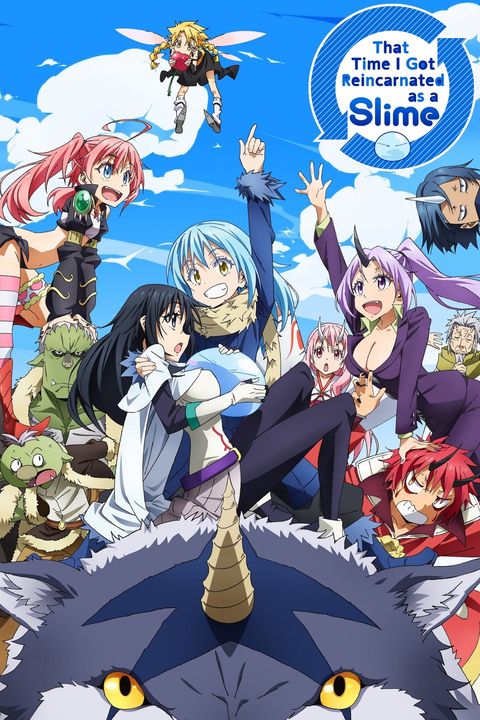
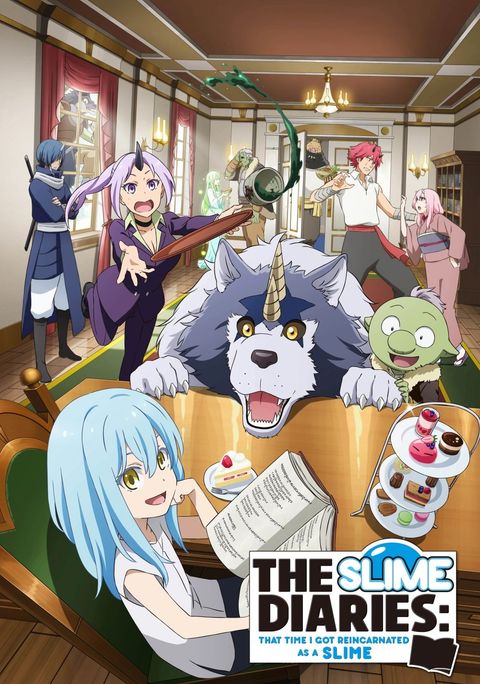
After dying as a salaryman and being reborn as a slime, Rimuru Tempest built an entire nation from scratch and is now a full-blown Demon Lord, and honestly, this third season is where the payoff of all that setup really hits. After defeating Clayman and ending the war with the Falmuth Kingdom, Rimuru's Jura Tempest Federation is booming. New citizens are pouring in, alliances are forming, and Rimuru's attending Demon Lord banquets like it's just another Tuesday. The early episodes mix political maneuvering with classic comedy beats: Diablo being an overeager simp, Veldora being Veldora, before the real tensions start creeping in. Because while Rimuru's busy nation-building, Yuuki Kagurazaka and the Harlequin Alliance are moving pieces behind the scenes. This 24-episode TV series from Studio 8bit adapts the manga's meatier arcs, and the balance between lighthearted slice-of-life moments and genuine strategic depth is what keeps it interesting. Rimuru isn't just punching his way through problems; he's negotiating, delegating, and playing politics with beings who could level continents. If you liked the power fantasy and world-building of Overlord or the isekai stakes of Re:Zero but want something with a warmer core and more humor, this scratches that itch. No Game No Life fans will also appreciate the strategic thinking. Three seasons in, the world feels lived-in, the cast is massive but well-used, and Rimuru being a slime somehow never stops being charming.
Episode Guide
News
No news yet.
Characters
Rimuru Tempest
Rimuru Tempest, a reincarnated slime, is the benevolent yet powerful Demon Lord ruling the Jura-Tempest Federation.
Karbowski Brittney
MANGA BRIDGE
This season covers Chapters 87-109 of the manga. Continue reading from Chapter 110.

Community Feed
Loading…

This season is quite good but last episodes are just talks less action

Political tension crystallizes into inevitable conflict. Episode 5 strengthens motivations on both sides, building a confrontation rooted in ideology rather than hatred. Stakes rise quietly but convincingly. It’s not explosive, but narratively sharp.
Diplomacy replaces destruction. Rimuru solidifies Tempest’s legitimacy through strategy rather than force. It’s narrative infrastructure, not exciting, but essential groundwork for future conflicts. The episode explores how reputation shapes power. It’s less flashy but structural
Rimuru and Hinata’s clash blends ideological conflict with measured combat. The tension is sharp, but the restraint keeps it grounded. Stakes feel personal rather than apocalyptic, a smart narrative choice. Great tension, but slightly restrained in scale.
Religious politics take center stage as Hinata’s perspective adds ideological tension. The episode sharpens the conflict between faith and monsters, hinting at an unavoidable confrontation while deepening her moral complexity. Atmosphere > action. The tension is ideological.
Rimuru steps fully into political leadership. Episode 1 prioritizes diplomacy over combat, expanding global tensions and post-war consequences. A calm but strategic opener that reinforces power structures rather than spectacle. It’s a deliberate slow burn rewarding for lore love.

La primera vez que la vi hace dos años no pase del primer episodio. Le volví a dar una oportunidad y se volvió uno de mis animes favoritos. Excelente variedad de personajes, excelente animacion y la historia es muy buena.

Sugoi
The best anime ever

This episode marks the official start of Tempest's long-awaited Founding Festival. After many chapters of planning, diplomacy, and preparation, we finally see visitors from various nations arrive to participate in one of the most important events in Tempest's history. The best: The reward for all the preparation. The episode conveys the feeling that all the effort of Rimuru and his allies is finally bearing fruit. Excellent world-building. We see how leaders, merchants, adventurers, and tourists react to Tempest's growth. A very well-achieved festive atmosphere. The episode has a different energy than usual, with celebrations, performances, and general enthusiasm. Tempest's development as an international power. It is no longer just a nation of monsters, but a major player on the world stage. The worst: Very little action. The focus is entirely on the festival and the relationships between characters. A slow pace. It's an introductory episode to the events that will follow. More celebration than conflict. Some viewers may miss a significant threat or tension. My opinion This episode serves as a grand celebration of Tempest's growth since the beginning of the series. Seeing characters from different countries gathered to enjoy the festival demonstrates the extent to which Rimuru has changed the world around him. While not an action-packed episode, it's very satisfying for those who have followed the nation's development throughout the story. Final verdict: A joyful and very enjoyable episode that showcases Tempest's success and sets the stage for the events of the rest of the festival. 8.5/10.
After several episodes focused on politics and organization, this chapter brings something many fans have been waiting for: fights. The martial arts tournament of the Tempest Foundation Festival finally gets underway, offering entertaining fights, charismatic characters, and a well-crafted festive atmosphere. The best: The fights are fun and dynamic. They aren't life-or-death battles, but they do showcase different skills and fighting styles. Great festival atmosphere. It feels like an international celebration where adventurers and visitors can compete and demonstrate their talent. Good balance between action and humor. The episode maintains Tensura's characteristic tone without becoming too serious. The secondary participants have their moment to shine. It's not all about Rimuru or the most powerful characters. The worst: The stakes are low. Since it's a friendly tournament, there's never a real sense of danger. Some fights are predictable. In certain matchups, it's easy to anticipate who will win. The main plot doesn't advance much. It's more focused on entertainment than the overall story. My opinion This is one of the most entertaining episodes of the festival arc. After so many chapters of meetings and negotiations, seeing a well-organized tournament is refreshing. It also serves to showcase Tempest's growth as a nation capable of hosting large-scale events. Final verdict: A light, fun episode with good action. It may not be crucial to the main plot, but it's one of the most enjoyable of the second half of the season. 9/10.
This episode focuses on the encounter between Rimuru and Masayuki Honjo, the self-proclaimed "Hero" whose reputation far exceeds his actual abilities. It's a chapter filled with humor, misunderstandings, and character development, serving as a bridge to the final events of the Foundation Festival. The best: Masayuki shines as a comedic character. His knack for unintentionally accumulating fame remains one of the funniest elements of the series. Great chemistry between Rimuru and Masayuki. Their interaction makes it clear that neither is truly seeking conflict. Excellent handling of misunderstandings. The episode constantly plays with the difference between public perception and reality. Setting up for the final arc. Tensions are resolved, and important relationships for the future are established. The worst: There's no major fight. The title might suggest an epic showdown, but the conflict is much more diplomatic and humorous. It can feel anticlimactic. Those expecting intense action will likely be left wanting more. A lot of dialogue. It follows the trend of the third season, focusing on conversations and politics. My opinion: This is one of the episodes where Tensura proves it doesn't need to rely exclusively on battles. The relationship between Rimuru and Masayuki is entertaining because they both quickly grasp the true situation behind the "Hero's" public image. Furthermore, the episode helps tie up several loose ends before the opening of the labyrinth and the season's final events. Final verdict: A fun episode with good character development and some of the best comedic moments of the season. 8.5/10.
This episode is practically the culmination of all the planning work Rimuru and his allies have done throughout much of the season. Instead of focusing on spectacular battles, it shows how Tempest transforms the labyrinth into a tourist attraction, a source of income, and a strategic tool all at once. The best: The labyrinth's opening is a success. We finally see the result of months of preparation and how adventurers from different regions react to this new attraction. Rimuru's economic genius. Once again, he demonstrates that his greatest weapon isn't brute force, but his ability to create systems that benefit Tempest. Masayuki provides some funny moments. His disproportionate fame continues to generate entertaining situations and some light comedy. Great world-building. The episode shows how Tempest is transforming into the economic and cultural center of the region. The worst: Very little action. Those expecting a big fight or a major conflict may feel the episode moves slowly. Slow pacing. It's more focused on showing results and reactions than on developing dramatic tension. It feels like setup. While entertaining, it functions more as a prelude to the season finale than as a memorable standalone episode. My opinion: This episode perfectly encapsulates much of what the third season has been about: politics, economics, administration, and world-building. The labyrinth is a very creative idea because it combines entertainment, adventurer training, and resource generation for Tempest. It's not an action-packed episode, but it does showcase how much Rimuru's nation has grown from its humble beginnings. For fans who enjoy watching Tempest evolve as a country, it's one of the most satisfying episodes of the festival arc. Final verdict: An entertaining and well-executed episode that rewards all the build-up. It doesn't have any major battles, but it shows Tempest functioning exactly as Rimuru always envisioned. 8.5/10.
This episode serves as the season three finale, and if you were expecting a grand finale battle, this probably wasn't what you were looking for. Instead, it's an episode focused on politics, economics, and preparing for upcoming conflicts. The best: Rimuru demonstrates why he's a dangerous ruler. The way he handles the merchants trying to take advantage of Tempest is clever and shows how much he's grown as a leader. Excellent world-building. It feels like Tempest is no longer just an emerging nation, but a power capable of influencing international economics and politics. Sets up Season 4. The episode lays the groundwork for future confrontations with the Eastern merchants, the Rozzo family, and other shadowy players. The worst: Too many meetings. A recurring criticism from fans throughout the season was the large number of episodes focused on strategic discussions. This finale follows that trend. Lack of emotional impact. As a final episode, it doesn't carry the same weight as previous series finales. It feels more like an epilogue than a climax. My opinion If you enjoy Tensura for Tempest's growth, Rimuru's diplomacy, and strategy, this episode is very satisfying. If you watch it primarily for epic battles like those in season two, it might seem slow. Season three, in general, was much more about world-building than action, and this episode perfectly encapsulates that philosophy. The community had mixed opinions, but many agreed that the festival arc was one of the best parts of the season. Final verdict: A good ending for fans who enjoy the political and economic aspects of Slime, though it doesn't quite reach the intensity of the series' best moments. 8/10.
I love all the meetings.

A dialogue-driven finale, but things are getting more interesting. It left me intrigued about what’s coming next, and I’m definitely looking forward to the next season.
Entertaining and funny at times, even if not much happened plot-wise. The dungeon itself was really interesting, and I hope we get to see more of it explored in future episodes.
This was way too hilarious. The arena fight turned more comedic than action-packed, but honestly, I probably should’ve expected that from the way things were building up.
Man, this felt a bit lacking for an arena fight. I was expecting something grand, but of course, we didn’t get that. Still, it managed to stay entertaining and funny overall.

This didn’t fully feel like a proper season finale. It left a lot of questions unanswered, which builds curiosity for the next season. It kind of leaves you hanging—but in a good way.
From the Same Universe


Fans Also Watch

That Time I Got Reincarnated as a Slime Season 3
 10
10More DetailsRadar5
Choose what you want to review:
a single episode or the full anime.


