





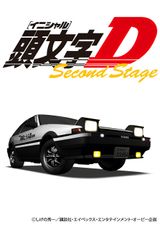
Initial D Second Stage
Oshimeter
Synopsis
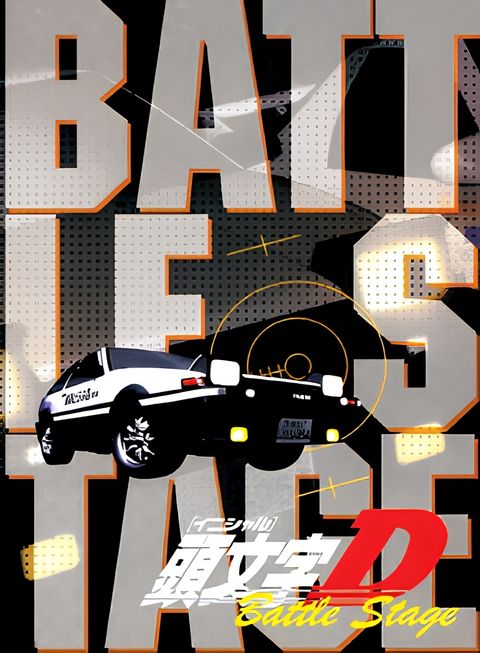
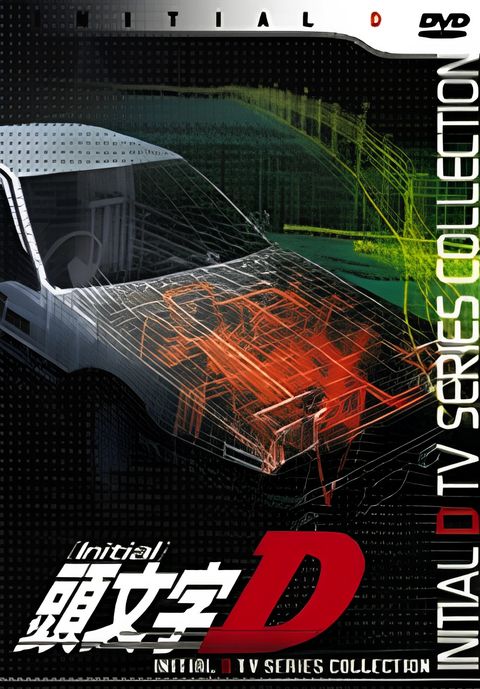
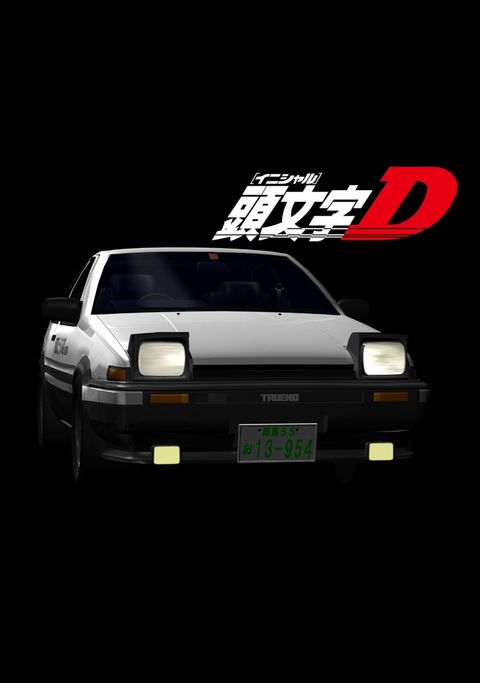
Every morning before school, Takumi Fujiwara pushes his beat-up Toyota AE86 through the mountain roads of Gunma Prefecture delivering tofu for his dad's shop, doing what he's been doing his whole life, because he has. Second Stage picks up where his street racing career started getting serious, and now the competition has leveled up in a big way. A group called Emperor rolls into the local scene driving Mitsubishi Lancer Evolutions, the kind of cars professional drivers actually race, and their leader Kyoichi Sudo looks at Takumi's old AE86 and basically sees a joke. That tension is the engine this season runs on. It's a 13-episode TV series from 1999, and the racing itself holds up better than you'd expect because the show genuinely cares about technique and physics rather than just making things look flashy. The Eurobeat soundtrack is its own thing, it sounds ridiculous on paper and somehow makes every race feel urgent. If you've watched Wangan Midnight and wanted something with more personal stakes, or you burned through Capeta and want street racing instead of circuit, this fits that same space. The drama between characters carries as much weight as the races themselves, which keeps it from feeling like pure car-porn. You don't need to be a car person to get into it, but if you are, the mechanical detail will keep you happy.
Episode Guide
Characters
Takumi Fujiwara
Takumi Fujiwara, a seemingly average tofu delivery boy, is a legendary drifter, mastering the AE86 with unparalleled skill and instinct.
Wittenberg Dave
MANGA BRIDGE
This season covers Chapters 78-145 of the manga. Continue reading from Chapter 146.
Community Feed
Loading…

Though this series is much shorter than the previous season, it does cover a lot of ground. What I really liked about 2nd Stage is that it focuses more on character development and the relationships of the characters. Specifically the main ones like Itsuki and Takumi. Iketani and Kenji are still around, but they play their uses, but they aren’t really that central or given the same screen time like in season 1. You get to see more of how emotional and passionate Takumi can really be at times, and I like how Itsuki is not just really a comic relief character and has his good side to him. Once again, the technical jargon is still present. If you did not see my review of season 1, I will once again state it may be difficult to understand, but once everything is applied, you’ll understand it better. I feel it needs to be present so it can educate the viewer. Plus, I still stand by regardless of being able to fully understand, I feel that the tech speak is what help makes it more distinctive and aims to be realistic. Sadly, as a Keisuke fan, though he is used, he’s not useful in the way that I want him to be, but with Ryosuke being my number one favorite character, well, check out the series to find out what I mean because it’d only be a spoiler with what his character does. Not only do the characters and the relationships develop, the art and animation tremendously improve from season 1 as well. The coloring is more shiny and glossy, there is more detail to the hair, the proportions are more even, and the cg is much better rendered. There aren’t much races in this season, but what’s good is that the races aren’t exclusive to Akina anymore and only one race happens there so it prevents itself from getting repetitive. You finally get to see the Red Suns’ home turf of Akagi, and we also get a brand new course of Shomaru as well. However, the outcome of the final race in this anime does differ significantly from the manga version which may either disappoint you, or something you can embrace since it is something different and it’d be boring just to watch something when you already know the outcome. Anyway, new factors such as a combination of psychological and environmental come into play still, but in a whole new approach in comparison to season 1 in ways you wouldn’t expect. Once again, the cast from season 1 that return are still present. I really love how Itsuki is portrayed as more sensitive and emotional and Iwata does a great job of that. I also love Tanaka Masahiko, who I recall as the voices of the Kazekage from Naruto and Mashiba Ryo from Hajime no Ippo as Kyoichi. He’s a total asshole you want to see get his ass handed to him. And the best addition to this season is Wataru’s seiyuu, Matsumoto Yasunori, the voice of Gourry from Slayers, Jacky Bryant from Virtua Fighter, and many others. He does a great job of playing someone who is distant and has a short temper and it makes him oblivious, so I like that portrayal. Nothing really to complain with voice acting. And the music only gets better, the perfect example, the ending theme Kimi Ga Iru by Galla. It’s so beautiful, well toned and pitched, and excellently paced. It really captures you and reflects the character relationship nature of this show on my impression. And you can’t have Initial D without the good ol’ Eurobeat. We got 100 by Dave Rodgers and we also got Burning Desire, also from the Para Para Paradise games. So pretty much everything I could say about music and voice acting from season 1 can be said here. Well, to watch this season, I strongly recommend season 1 first. Yes, I still also say that Initial D isn’t an anime for everyone, but this season has more traits that most anime fans would want in an anime, but to understand the characters and how they developed to that point and how they further develop, you have to watch season 1 first and to get a better understanding of the cars as well. Granted it does have some significant changes if you are at all familiar with the manga, but the changes are done for all the right reasons and is still an enjoyable anime.

This finale episode concludes the second stage leaving with the intensity and emotional feels. Preferred the animation and facial expressions of S1 but the art style of this season was crisp. The music definitely brings great impact to this second stage. Lonely Drivers on the way
In this penultimate episode of this season, the battle between two 86 cars were so thrilling to watch! The intensity and the turbo sound gave ad rush feels. The ED playing on the BG is hyping on that 2nd round finish. The character pacing between Itsuki's to Mogi's were balanced.
This episode definitely building-up for the season's penultimate climax. The pacing for sure was slowed with build-up and character development. The music playing while Itsuki's driving with Kazumi was perfect! Wishing that the last two episodes will be thrilling to watch.

this finale hits different two 86s just pushing each other to absolute limits, pure endurance battle. some relationships get closure. sad for itsuki and his first love got cooked hahahaha overall this finale was totally awesome because a lot of tense and pressure. LFG for S3
Nice 86 vs 86 this episode, nailed it! Hahahah. Wataru's style is different, and while Takumi's new turbo shows a masterclass, this new route map is insane too much action in this EP. Worth watching.
This is rather an interesting episode. Aside from the animation and character's quality, the plot's tone will make you hype. The pacing is perfect, too. If you're not familiar with car engines, this ep is definitely intriguing. Can't wait for what's in store and yet to reveal!
The series cliffhangers never failed to disappoint and it's place perfectly on that scene,This ep is rather wholesome with slow pacing. The tone is pretty much calmer but thought that the animation, somehow, inconsistently was changing after every episode. Excited on the new 86!
on this episode takumi accepts Wataru’s challenge but first he’s gotta learn the basics of proper street race. Itsuki’s girlfriend is kindly cute but the racing on takumi and wataru's is what im waiting for can't wait to watch the next EP this is great LFG!
The tension here is actually insane takumi just doesn't know how to figure it out his 86 while someone comes in with this energy and absolutely humbles him on the mechanical stuff hahahah. Not much action yet, but don't skip, this is where things get start.
Nice 86 is back on track now on this episode with some new engine and while takumi's delivering tofu he notice something weird while his father know the hidden potential hahahah this 86 is a monster cant wait to see takumi on race.
The first half of the episode was thrilling and intense while latter part was quite annoying. The last 3-4 episodes keeps dragging too long since the 86 car blown. Disappointed to see low-spirited, sulking self of Takumi for so long. The plot quite brewing and stretching 'til end
Ryosuke’s dropping his full street racing philosophy on Kyoichi’s Evo III in the Akagi continuation super technical stuff on weight balance and line choice. Back in Akina, Takumi’s dealing with life without the 86 da*m that was sad to him cant wait 86 to fix and see on track.
RedSuns are Gunma’s last hope now that the AE86 engine is broken. Everyone’s rooting hard for Ryosuke to win, and suddenly a new out of town racer gets spotted. This episode feels like street racer vs motorsport racer what a crazy match to watch! LFG!!
This is NFS at its peak! Interesting episode with unexpected twist of new characters and a new, familiar car model. The battle was intense and nothing suprises with the cliffhangers always end with those car scenes. The plot's definitely brewing something for Takumi's comeback.
It was an emotional episode, truly a heartbreaking one. Finally, the reality sets in and a wake-up call for Takumi. He should definitely experienced it, for his growth and strong conviction. The animation, intensity, and the pace were perfect! Totally nailed the tone of the plot.
It is a pretty intense episode. On the edge of the seat climax with the engine sound's answering back and forth from the lead and tailing. Getting used to the stiff animation however, the facial expressions of characters still emotionless. The pacing and the plot were perfect.
The animation quality on this ep kind of dropped a bit. The character expression's still dull as ever yet the pacing's perfect for Takumi's continuous self-development. He's conflicted on his personal interests rather than solidifying his focused mainly on what he does best.
Slow burn pacing on this ep. Still not used to the new and crisp art style like Hajime no Ippo. Adding the CGI animation doesn't gave the impact factor or smoothness of the animation. Was getting hype rather with the screeching sounds of the drift, music, and tailing of the cars.
The ep was building plot for Takumi's character development which made the pacing slow. Nice hearing the young and cool voice of Kazuki Yao, voice of Franky. The facial expressions were still, nothing felt real emotions conveyed. Appreciated the ED like classic, retro vibes.
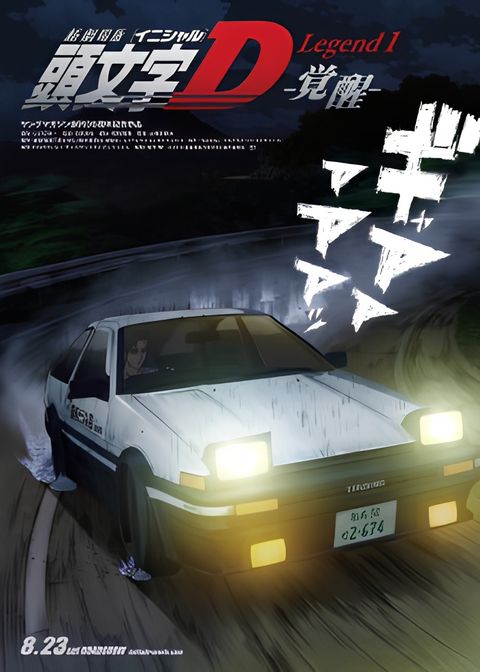
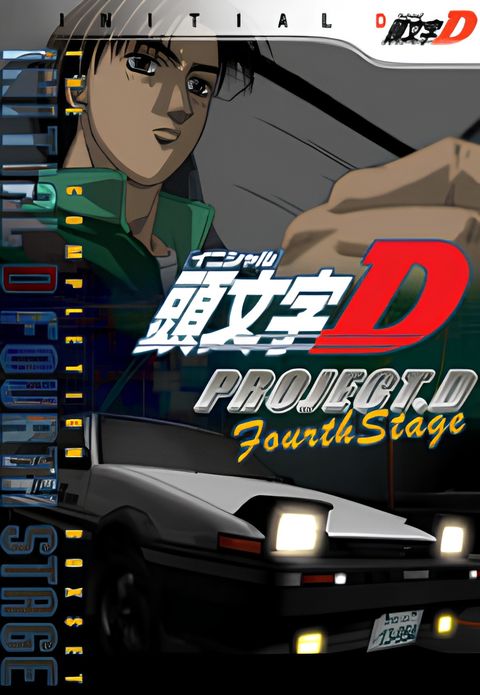
Initial D Second Stage
 10
More DetailsRadar5
Choose what you want to review:
a single episode or the full anime.


