






D.N.Angel
Oshimeter
Synopsis
At first glance, Daisuke Niwa seems like a pretty average 14-year-old, clumsy, not exactly cool, the kind of kid who trips over his own shoelaces. So when he finally works up the nerve to confess to his crush Risa Harada and gets turned down flat, you'd expect that to be the worst part of his day. Except the rejection triggers a family curse, and now every time Daisuke thinks about Risa, he physically transforms into Dark Mousy, a suave legendary phantom thief. His mom and grandpa? They've been training him for this his whole life and just never mentioned it. Thanks, family. Now Daisuke has to juggle school, steal and seal dangerous magical artworks as Dark, and deal with the fact that Risa, the girl who rejected him, is falling hard for his alter ego. Meanwhile, Risa's twin sister Riku starts catching feelings for the real Daisuke, and a mysterious classmate named Satoshi Hiwatari is secretly a police commander hunting Dark down while hiding his own dark secret. The love geometry here gets genuinely tangled, and the show leans into it without feeling cheap. It's a 26-episode TV series from Xebec with a tone that shifts between goofy school comedy and moody fantasy heists, held together by one of the catchiest openings of its era in "Byakuya ~True Light~." If you grew up with Cardcaptor Sakura or Kaitou Saint Tail, this hits a similar sweet spot: magical identity crises wrapped in teen romance and just enough action to keep things moving.
Episode Guide
Characters
Dark Mousy
Dark Mousy, the phantom thief, is half of the Black Wings, deeply connected to Daisuke and secretly harbors feelings for Risa.
Mignogna Vic
Daisuke Niwa
Kind-hearted teen Daisuke transforms into the mischievous phantom thief Dark when experiencing strong emotions, battling his destiny while honing his incredible thieving skills.
Corn Kevin
Satoshi Hiwatari
Calm, intelligent, and secretly caring, Satoshi hunts Dark to protect his family's legacy and Daisuke.
Ayres Greg
Riku Harada
Athletic tomboy Riku, fiercely independent and kind, harbors resentment towards Dark for stealing her first kiss.
Haag Hilary
Risa Harada
Initially Daisuke's love interest, Risa becomes obsessed with Dark, cleverly pursuing him until their relationship ends; later showing hints of romance with Satoshi.
Christian Luci
MANGA BRIDGE
This season covers Chapters 1-49 of the manga. Continue reading from Chapter 50.

Community Feed
Loading…

Episode 16 focuses heavily on the evolving dynamic between Daisuke and Dark, presenting a nuanced exploration of identity and internal conflict. Visually, the episode maintains the series’ signature style while refining key elements during transformation sequences. The animation becomes noticeably more fluid when Dark begins to emerge, with motion lines, lighting shifts, and subtle distortions used to convey the instability of the transformation process. Sound design is particularly effective in differentiating the two characters. Daisuke’s scenes are accompanied by softer, lighter audio cues, while Dark’s presence introduces sharper, more defined sounds. The transition between these auditory profiles is seamless, reinforcing the duality at the core of the narrative. Transformation moments are marked by layered effects—wind-like distortions, echoing tones, and brief silences—that heighten tension and anticipation. The episode’s narrative strength lies in its focus on resistance and control. Rather than presenting the transformation as a fixed mechanic, it becomes a psychological struggle. Daisuke’s partial resistance introduces a new dimension to the story, suggesting that identity is not binary but fluid. This internal conflict is mirrored visually through overlapping imagery and shifting perspectives, emphasizing the instability of the situation. Pacing is carefully managed, allowing emotional beats to develop without disrupting the episode’s momentum. Dialogue is used sparingly but effectively, with pauses and silence often carrying more weight than words. Character expressions are given prominence through close-up shots, enabling subtle emotional shifts to be fully appreciated. What elevates this episode is its integration of technical and narrative elements. Animation, sound, and storytelling work in tandem to create a cohesive experience that feels both dynamic and introspective. The result is an episode that not only advances the plot but deepens the viewer’s understanding of the characters’ internal struggles.
Episode 16 delivers smooth animation during transformation scenes, paired with crisp, airy sound effects that enhance Dark’s movements. Softer tones in emotional moments balance the tension, creating a visually and audibly engaging experience.
UP: The finale delivers EMOTIONAL closure. Dark and Krad's origin is revealed. Daisuke finally realizing who his sacred maiden is? BEAUTIFUL. DOWN: Dark disappearing is bittersweet. The ending feels definitive but also rushed. You want more but also appreciate the closure. 🕊️
UP: The apocalyptic stakes are HIGH. The evacuation creates urgency. DOWN: The disaster feels disconnected from the main plot. Episode feels like setup for finale rather than its own thing. 🌊
UP: Satoshi repainting Daisuke's work is POETIC. The Dark vs Krad battle has weight now. DOWN: The "Ice and Dark" story conclusion feels rushed. So much buildup for a quick resolution. 🖌️
UP: Kosuke finding the original "Ice and Dark" story is SATISFYING. The lore finally connects. DOWN: The sword's power is vague. The resolution feels like it's rushing toward the finale. ⚔️
UP: Dark entering with BOTH twins is DRAMATIC. The stakes feel real. DOWN: The painting world rules are never clearly explained. The rescue mission drags in places. 🌨️
UP: Daisuke entering his painting world is VISUALLY STUNNING. The surreal atmosphere is captivating. DOWN: The plot gets CONFUSING. Dark stealing the painting from Harada house adds tension but also questions. 🎭
UP: The "Ice and Snow" backstory finally drops and it's BEAUTIFUL. Daisuke's painting of the snowscape is symbolic. DOWN: The pendant of friendship is HEARTBREAKING. Mio's sacrifice feels rushed and unearned. 🎨
UP: The "Ice and Snow" play within the show is META and intriguing. Risa finding Dark's love letter to her grandmother is juicy. DOWN: Satoshi's father's scheme is underdeveloped. The cultural festival feels rushed. ❄️
UP: Daisuke FINALLY realizing he likes Riku is satisfying. The falling stars scene is ROMANTIC. DOWN: Risa suspecting Daisuke is Dark then dismissing it feels like a cop-out. Mio's psychic act is weird. 🌠
UP: Tropical island vibes are FUN. The love triangle tension is real. DOWN: Takeshi being oblivious to Mio's crush is frustrating. The "winner gets Daisuke" premise is silly. 🏝️
UP: The teddy bear backstory is GENUINELY sweet. Riku realizing Daisuke was that boy is heartwarming. DOWN: Risa's rabbit toy subplot feels tacked on. The haunted mansion heist is forgettable. 🧸
UP: Chaotic family gathering energy is PEAK. Everyone in one place is fun. DOWN: Pure filler episode with zero plot progression. Fun but ultimately skippable. 🍖
UP: Mio's mysterious aura is intriguing. Satoshi saving Daisuke with CPR is SUSPICIOUS. DOWN: Dark taking Risa on a date makes Daisuke depressed - frustrating to watch. Mio's secret is teased too long. 🤔
UP: The future illusion sequence is TRIPPY. Towa's introduction adds mystery. DOWN: The "souls trapped in stone" plot is confusing. The resolution feels like deus ex machina. ⏳
UP: Kosuke finally being present for a heist is satisfying. Krad's return raises stakes. DOWN: The father-son dynamic is underplayed. Krad's defeat feels too easy. 💍
UP: Underwater heist is VISUALLY stunning. Satoshi's trap adds tension. DOWN: Risa wandering into danger is forced drama. The sea setting is underutilized. 🌊
UP: Time travel episode adds MYSTERY. Seeing young Daiki as a phantom thief is cool. DOWN: The plot is confusing and the resolution feels like a handwave. Dark saving Daisuke is predictable. 🎻
UP: Wiz's little romance is PURE and heartbreaking. The storm scene is beautifully animated. DOWN: Daisuke and Riku's involvement feels like filler. The bunny disappears and you're left sad. 🍓
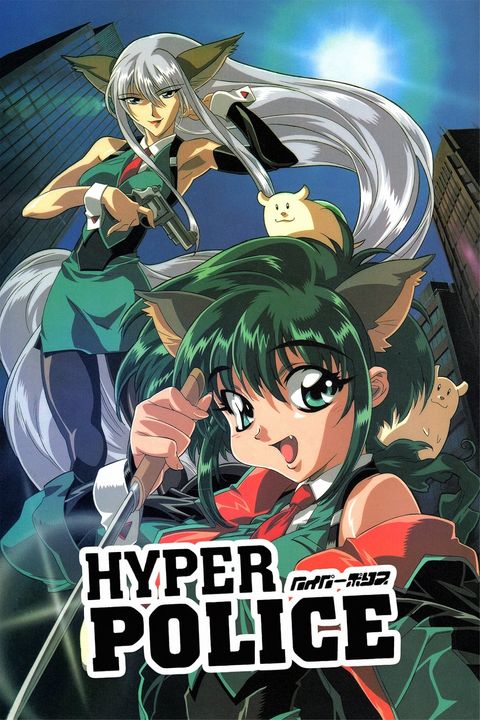
D.N.Angel
 10
10More DetailsRadar5
Choose what you want to review:
a single episode or the full anime.


