






The Strongest Magician in the Demon Lord's Army Was a Human
Oshimeter
Synopsis
Under the tutelage of the great demon warlock Romberg, Ike grew up with knowledge regarding an ancient advanced civilization that once ruled the land. Coupled with his innate talent in magical arts, this upbringing allows Ike to quickly rise in the Demon Lord's army ranks, leading his brigade to consecutive victories against humans. However, Ike has a secret—he is a human himself. Despite knowing all too well the consequences if this information is ever to leak, Ike is willing to face such immense danger to achieve his goal: find a way for humans and demons to coexist and stop the war that has been carried on for far too long.
Episode Guide
News
No news yet.
Community Feed
Loading…

Episode 9 is a strong episode that delivers on the war arc's setup and sets up a major turning point for Ike's character. The writing is sharp, the emotional beats land, and the cliffhanger is genuinely compelling. The animation is still weak, but the story is finally doing something interesting. If you've been invested in the series, this episode rewards that investment.
This anime had a cool idea—a human spying on demons—but the first episode just doesn't deliver. The animation is bad, the writing is messy, and the pacing is slow. The music is okay, but it can't fix everything else. If you really like the "hidden identity" or "spy in the enemy army" type of story, maybe give it a couple more episodes. But based on Episode 1 alone, this is not a good anime.
The Strongest Magician in the Demon Lord's Army Was a Human is a show that deserved a better production. The writing is thoughtful, the characters are compelling, and the central conflict is more nuanced than most fantasy anime. But the animation is weak, the pacing is uneven, and the show often struggles to balance its political intrigue with its action sequences. If you can look past the rough visuals, there's a genuinely good story here. If you can't, it's hard to recommend.
Episode 12 is a solid season finale. It resolves the Cephiro rescue, delivers the confrontation with the Allied Kings, and gives Ike and Satie a satisfying emotional payoff. The animation is still weak, and the action sequences don't live up to their potential, but the writing and character work carry the episode. If the show gets a second season, it's set up a world with plenty of room to grow. If not, it's a decent ending to a flawed but ultimately worthwhile series.
Episode 11 is a solid setup episode for the finale. The stakes are high, the situation is dire, and the emotional beats land. The Lilith and Satie comedy moment is a highlight, and the dwarf and human alliance is a satisfying payoff to Ike's character arc. The animation is still weak, but the writing carries the episode. If you've been invested in the series, this episode sets up a promising conclusion.
Episode 10 is the strongest episode of the series. The confrontation between Ike and Satie is handled with real maturity and emotional honesty. The writing is sharp, the character work is excellent, and the episode finally delivers on the promise of Ike's dual identity. The animation is still weak, but the story is strong enough to carry it. If you've made it this far, this episode rewards your patience.
Episode 8 is the most complete battle episode of the series. Ike's shift system is a clever tactical concept, the moral stakes are clear, and the episode delivers on the setup from Episode 7. The animation is still the show's weak point, and the emotional beats don't hit as hard as they could, but the writing carries the episode. If you've been invested in the war arc, this is the payoff you've been waiting for.
Episode 7 is a step down from the strong run of Episodes 4 through 6. The writing is solid—Ike's defensive strategy, the reckless Alliance attack, and the magic-counter twist all work—but the animation is simply too weak to make the battle feel like a spectacle. The episode is more interesting in concept than in execution. If you're invested in the story, this episode advances the plot and sets up a promising conflict. If you're watching for action, you'll be disappointed by the stiff, lifeless animation.
Episode 6 is a transitional episode that sets up the next arc while dealing with the fallout from the Alistair confrontation. The political intrigue is engaging, Satie's development is welcome, and the new threat gives the show direction. But the pacing slows down, and the animation remains weak. If you're invested in the story, this episode moves the pieces into place effectively. If you're not, it won't change your mind.
Episode 5 is the strongest episode of the series. The writing finally delivers on the promise of the premise—Ike's dual identity isn't just a gimmick; it's a source of genuine moral conflict. The reveal about the war's origins adds complexity to the world, and the negotiation with Alistair gives both characters depth. The animation is still weak, but the writing carries the episode. If the show can maintain this level of quality, it might become something genuinely worth watching.
Episode 4 is the best action episode of the series so far. The battle with the White Rose Knights delivers on the setup, Ike's internal conflict reaches a new level of tension, and Alistair emerges as a genuinely compelling rival. The animation is still weak, and the CG is still rough, but the writing and emotional stakes carry the episode. If you've been waiting for the show to deliver on its premise, this is the episode that does it.
Episode 3 is the best episode of the series so far. The Romberg flashbacks give Ike the depth he was missing, the demon politics add complexity to the world, and the Alistair setup creates genuine stakes. The animation is still weak, and the pacing isn't perfect, but the writing is finally doing something interesting with the premise. If the show can maintain this level of focus, it might actually become something worth watching.
Episode 2 is a slight improvement over the premiere. The introduction of Alistair gives the human side of the war a face, and Ike's internal conflict—human fighting for demons, wanting peace but forced to wage war—is the most compelling element the show has . The animation is still weak, and the writing still relies on conveniences, but the setup for the coming conflict is competent. If you're invested in the premise, this episode gives you more to work with. If you're not, it won't change your mind.
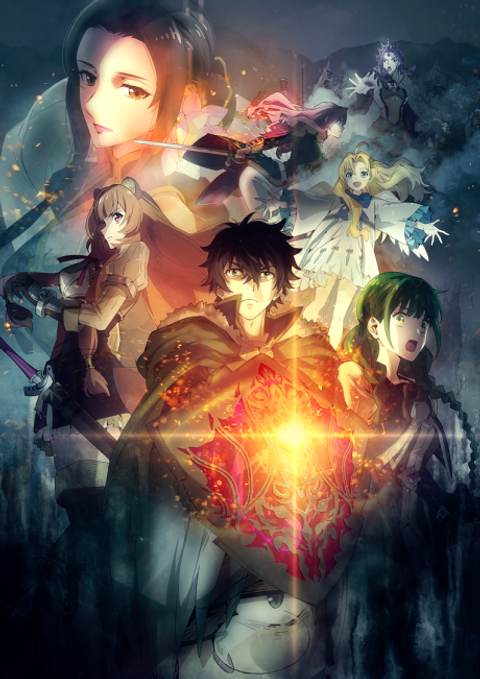



The Strongest Magician in the Demon Lord's Army Was a Human
 10
More DetailsRadar5
Choose what you want to review:
a single episode or the full anime.


